Fun and creative Noah’s Ark activities for preschoolers
The story of Noah’s Ark is easy for young children to understand and naturally engaging. With animals, changing weather, and a clear sequence of events, it captures attention and invites children to take part in the story.
It also introduces gentle early ideas—like caring for animals, listening and following instructions, and helping others—all in a way that feels playful and familiar.
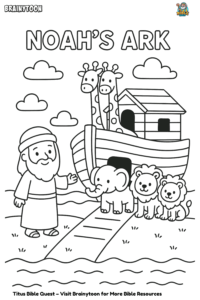
A basic worksheet can go a long way. Matching animal pairs, coloring an ark, or circling which animals belong in the story are all easy ways to reinforce what they’ve learned while keeping it fun and familiar.
Get simple, ready-to-use activities and worksheets that support learning through play—delivered each week.
Simple activity ideas to try
One of the easiest ways to bring the story to life is through animals. You can draw or print simple animal pictures and invite children to match them in pairs, just like in the story. As they play, you can extend the activity by talking about animal sounds, colors, or sizes.
Creative play works just as well. Using paper, cardboard, or recycled materials, children can build their own ark and “load” it with animals. This often turns into storytelling, where children decide which animals go first or what happens next.
You can also keep things active by turning story time into role play. As you read a short version of the story, children can act as animals and walk into the ark two by two. Adding sounds and movements makes it even more engaging.
Short and simple lesson plan
You can turn these ideas into a quick 15–25 minute activity session. Start by asking children about animals they know to spark interest and conversation. Then introduce the story in a simple, engaging way and read a short version together.
After that, move into one activity—whether it’s matching animals, building an ark, or exploring water play. Keeping it focused on one activity helps maintain attention while still making it fun.
To wrap up, bring everyone back together for a quick reflection. Ask which animal they liked most, count a few animals together, or end with a simple song.
Tips for parents and teachers
At this age, simple always works best. Keep instructions short, allow plenty of room for imagination, and focus on participation rather than doing things “right.” Children learn most when they can move, explore, and repeat activities over time.
If you want to build on the activity, you can introduce counting by grouping animals, practice animal sounds to support language development, or invite children to draw their favorite part of the story.